Moving with storage pods gives homeowners, renters, and businesses more control over a move. The pod arrives at the property, you load it, and the provider collects it for storage or delivery. The right choice depends on access, timing, item safety, space, and how much moving help you have.
Table of Contents
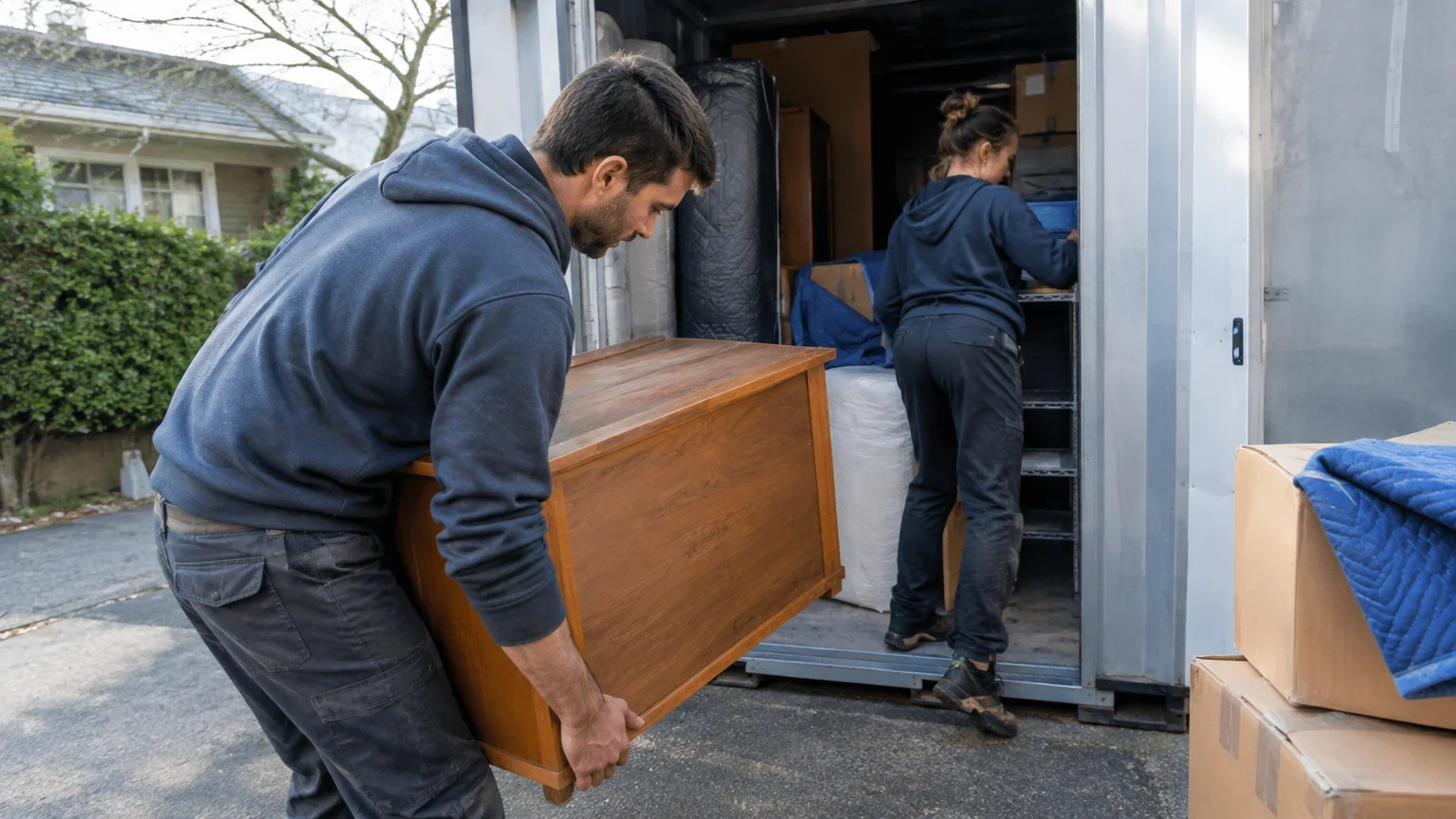
- How does moving with storage pods work?
- What can you put in a moving storage pod?
- How do you load a storage pod safely?
- Where can a moving pod be placed?
- Is moving with storage pods better than hiring movers?
- How much does moving with storage pods cost?
- What should you do before booking a storage pod move?
- Frequently Asked Questions
- Conclusion
How does moving with storage pods work?
Moving with storage pods usually has three steps: delivery, loading, and collection. A provider brings a portable container to an approved spot. You pack and load your home or office items during the time allowed.
What happens when the pod is delivered?
A delivery truck places the container on the ground or special equipment. The driver needs a clear route, firm ground, and enough space. The setup can change based on the provider, property, road, and local rules.
The pod stays at your home, office, or another approved site while you load it. Some people pack over several days. Others hire loading help to finish sooner. Myrtle Beach Movers can help Myrtle Beach homeowners and business owners think through the best choice.
How are collection and delivery scheduled?
Collection and final delivery should be planned before moving day. Confirm pickup windows, storage dates, destination access, and loading limits. Delays can happen if a truck cannot reach the property or the new address is not ready.
The pod may go straight to the next address or to storage first. This helps when one lease ends before the next home is ready. It can also help an office move in stages and limit downtime.
What can you put in a moving storage pod?
A moving storage pod can hold many common home and office goods. These may include boxed clothes, books, kitchen items, small appliances, desks, chairs, tables, and wrapped furniture. Items should be clean, dry, packed well, and able to handle normal movement.
Which household and office items are suitable?
Use strong boxes with lids that close well. Put heavy goods in small boxes. Larger boxes work better for light items, but they should still be easy to lift. Office files, screens, and equipment need padding and clear labels.
Clean furniture before loading it. Empty drawers, secure doors, and remove fragile parts when possible. A room-by-room list can make unloading much easier at the new address.
Check the provider’s rules before packing unusual goods. A piano, safe, pool table, or large machine may need special care. Local Movers or Loading & Unloading Help may suit items that are too heavy or delicate for a self-loaded container.
What should never go inside a pod?
A provider may ban items that can leak, burn, spoil, explode, or cause harm. Rules vary, so read the moving agreement before loading. Common restricted items include:
- Gasoline, propane tanks, lighter fluid, and other fuels
- Paint, solvents, pesticides, and strong cleaning chemicals
- Fireworks, ammunition, and other explosive goods
- Perishable food, plants, animals, and opened food containers
- Cash, legal papers, jewelry, medicine, and irreplaceable items
Carry important papers, valuables, and needed medicine yourself. Never place hazardous goods in a pod, even if the container seems secure.
How do you load a storage pod safely?
Safe loading starts with a simple plan. Heavy items should sit low and near the front wall. Lighter boxes belong higher up. A balanced load helps limit movement and makes unloading safer.
How should furniture and boxes be arranged?
Cover floors and furniture before carrying items outside. Large furniture can make a strong base along the back and side walls. Fill open spaces with boxes, but do not force items into gaps. Heavy boxes should never sit on fragile goods.
A useful loading order is:
- Place wrapped furniture and heavy appliances near the front wall.
- Add strong boxes and medium-weight items around the base.
- Fill gaps with soft bags, blankets, or small boxes.
- Put fragile and light items toward the top.
- Leave an aisle when the container size and load allow it.
- Secure the final section so items cannot fall toward the door.
The load should not press against the doors. A door that will not close easily may show that the load is unsafe. Straps, moving blankets, and stretch wrap can hold items in place. Do not use straps so tightly that they damage delicate surfaces.
What packing materials help prevent damage?
Strong boxes, packing paper, furniture pads, mattress covers, tape, and plastic wrap are useful. Bubble wrap protects small fragile goods. Thick blankets help shield wood, glass, and painted surfaces. Label each box with its room and mark boxes that need gentle handling.
You can handle basic packing and light lifting yourself when you have the right tools and enough help. Do not lift heavy furniture alone or carry large items down stairs without support. Professional loading help can lower the risk of injury and protect walls, floors, and goods.
Where can a moving pod be placed?
A moving pod needs a legal, level, and reachable location. A private driveway is often useful, but the surface must support the delivery equipment and container. The provider may also need overhead clearance, a wide approach, and room to collect the unit.
What space does a pod need?
The space needed depends on the container and delivery method. Ask the provider for exact clearance details before choosing a location. Trees, low wires, parked cars, narrow gates, steep slopes, and soft ground can prevent safe placement.
Measure the driveway and check the route from the street. Cars may need to move before delivery. A building manager may need to reserve a loading area for an apartment or office move.
When do you need permission for a pod?
Permission may be needed when a container sits on a public street, sidewalk, shared driveway, parking area, or managed property. A city, county, homeowners association, landlord, apartment manager, or business owner may have its own rules.
Ask about permits, parking limits, notice periods, and size limits. Rules vary across the United States. In Myrtle Beach, checking local requirements before delivery can help prevent a failed drop-off or delay.
Apartment renters and office tenants should get written approval when possible. Protect pavement, keep entrances open, and avoid blocking fire lanes or accessible parking spaces.
Is moving with storage pods better than hiring movers?
Neither choice works best for every move. A pod gives you control over packing time and may include storage between addresses. A moving crew handles more physical work and may finish the move faster.
When does a storage pod make sense?
A pod may suit people who want to pack at their own pace. It can work well when the next home is not ready, when temporary storage is needed, or when dates are flexible. It may also help a business move records, furniture, or supplies in stages.
This option still takes planning and physical effort. You must pack, load, protect, and often unload the goods. Your property must also have a safe place for the container.
When is a moving crew the better choice?
A moving crew may be better when the move includes stairs, long carries, narrow halls, large furniture, or a tight deadline. Help can also make sense when you have limited lifting ability or too few helpers.
Myrtle Beach Movers gives local customers a point of contact when comparing container moves with services such as Loading & Unloading Help, Apartment Movers, Commercial & Office Movers, Local Movers, or Long Distance Movers. The right choice depends on the home, schedule, access, and amount of hands-on help needed.
Do not choose a pod only because it sounds flexible. A full-service crew may lower stress and injury risk when the move is complex.
How much does moving with storage pods cost?
The cost of moving with storage pods depends on the container, travel distance, storage time, delivery access, and labor needed. A short local move with easy driveway access is simpler than a long move with storage, hard access, or special handling.
What factors affect the overall cost?
The provider may review container size, pickup and delivery locations, travel distance, loading time, storage length, and delivery dates. Extra work may matter when goods need special protection or when the truck faces stairs, narrow roads, long carries, or limited parking.
A piano, safe, large appliance, or commercial machine may need special equipment and trained workers. Discuss these items before booking. The final cost is confirmed on a quote after the provider understands the move.
How does a pod move compare with full-service moving?
A pod move and a full-service move place different work on you. A pod can reduce the need to move everything on one day, but you still handle packing and loading unless help is arranged. Full-service moving includes more hands-on work but may give you less control over loading.
Compare the full plan instead of one line item. Ask what delivery, storage, labor, protection, stairs, special items, and destination unloading include. This makes it easier to compare moving pods vs full-service movers.
What should you do before booking a storage pod move?
Before booking, measure large items, review provider rules, inspect both properties, and confirm the timeline. A short home inventory can show whether a pod is practical. It can also reveal items that need a crew or special transport.
What moving-day checklist should you follow?
A simple moving checklist can prevent common problems:
- Confirm delivery, collection, storage, and destination dates.
- Clear the driveway, loading area, path, and entrances.
- Protect floors, door frames, walls, and fragile furniture.
- Pack boxes fully, label rooms, and keep vital items with you.
- Keep pets, children, and visitors away from active loading areas.
- Check doors, locks, straps, and the final load before collection.
Photograph valuable furniture before loading. Keep documents, keys, medicine, chargers, and daily items outside the pod. On the day of moving, keep the loading area clear and check the weather before work starts.
When should you choose professional loading and transport help?
Professional help makes sense when the move includes heavy items, many floors, a long carry, limited time, or too few helpers. It is also wise when you worry about lifting injuries or damage to floors and walls.
Myrtle Beach Movers can help Myrtle Beach residents review the practical parts of a container move and prepare a moving estimate. Contact us to discuss loading, unloading, transport, or a move plan that fits the property and schedule.
Frequently Asked Questions
How much space does a moving pod need?
The space depends on the container and delivery equipment. The provider needs a clear, stable route and enough room to place and collect the unit. Check driveway width, overhead wires, trees, parked cars, gates, slopes, and local parking rules before delivery.
Can a storage pod sit on the street?
It may be allowed, but permission is often needed. A city, county, landlord, homeowners association, or property manager may control street and shared-area use. Confirm permits, parking limits, and notice rules before reserving a public location.
Are moving pods good for long-distance moves?
They can work well when you need flexible packing or storage between addresses. Confirm delivery timing, destination access, storage terms, and restricted items. Long Distance Movers may be better when the move needs full packing, lifting, and transport support.
Can a piano go inside a moving pod?
A piano may fit in some containers, but it needs careful preparation, padding, and secure placement. Its weight and shape can affect load balance. Professional help is often safer, especially with stairs, tight turns, long carries, or long-distance transport.
Do customers load the pod themselves?
Customers may load the pod themselves, but professional loading help can also be arranged. Self-loading needs safe lifting, good packing, and enough people. A trained crew can handle heavy furniture, lower injury risks, and help use the space well.
Key takeaways
- A pod is delivered, loaded, collected, and then stored or delivered.
- Confirm placement rules and property access before delivery.
- Strong packing and balanced loading help protect home and office goods.
- A pod suits flexible schedules, while movers suit complex or hands-on moves.
- The final cost depends on move details and is confirmed on a quote.
Conclusion
Moving with storage pods can make a move more flexible, but it still needs planning and physical work. Check access, permissions, packing rules, loading needs, and delivery dates before booking. Myrtle Beach Movers can help Myrtle Beach customers decide whether a container, loading support, or moving crew fits the move best.
Contact us today to discuss the right moving option with Myrtle Beach Movers.